
Choosing new flooring in Chicago is one of the most important decisions in any remodeling project. The right floor affects comfort, durability, maintenance, and the overall look of your Chicago home or business. With so many materials available today, a clear flooring comparison helps you understand which option truly fits your space, lifestyle, and budget.
Instead of focusing only on appearance, smart flooring selection considers how each material performs in real-life conditions in Chicago homes and commercial spaces.
Start with How the Space Is Used

Before comparing materials, the first step is understanding how the room will be used. High-traffic areas such as entryways, kitchens, hallways, and commercial spaces in Chicago require floors that resist wear and moisture. Bedrooms and offices allow for softer, warmer materials that prioritize comfort.
A flooring material that works well in one room may fail quickly in another. Matching the floor to the function of the space is the foundation of a smart comparison for Chicago spaces.
Hardwood Flooring: Beauty with Maintenance


Hardwood remains one of the most popular flooring choices in Chicago for its natural beauty and long-term value. Solid and engineered hardwood offer warmth, character, and strong resale appeal.
However, hardwood is sensitive to moisture, temperature changes, and surface scratches. It works best in living rooms, dining rooms, and bedrooms in Chicago homes, but requires regular maintenance and careful cleaning. In kitchens, basements, and bathrooms, hardwood often requires special precautions or alternative materials.
Hardwood excels in appearance, but demands respect in care.
Laminate Flooring: Style at a Lower Cost
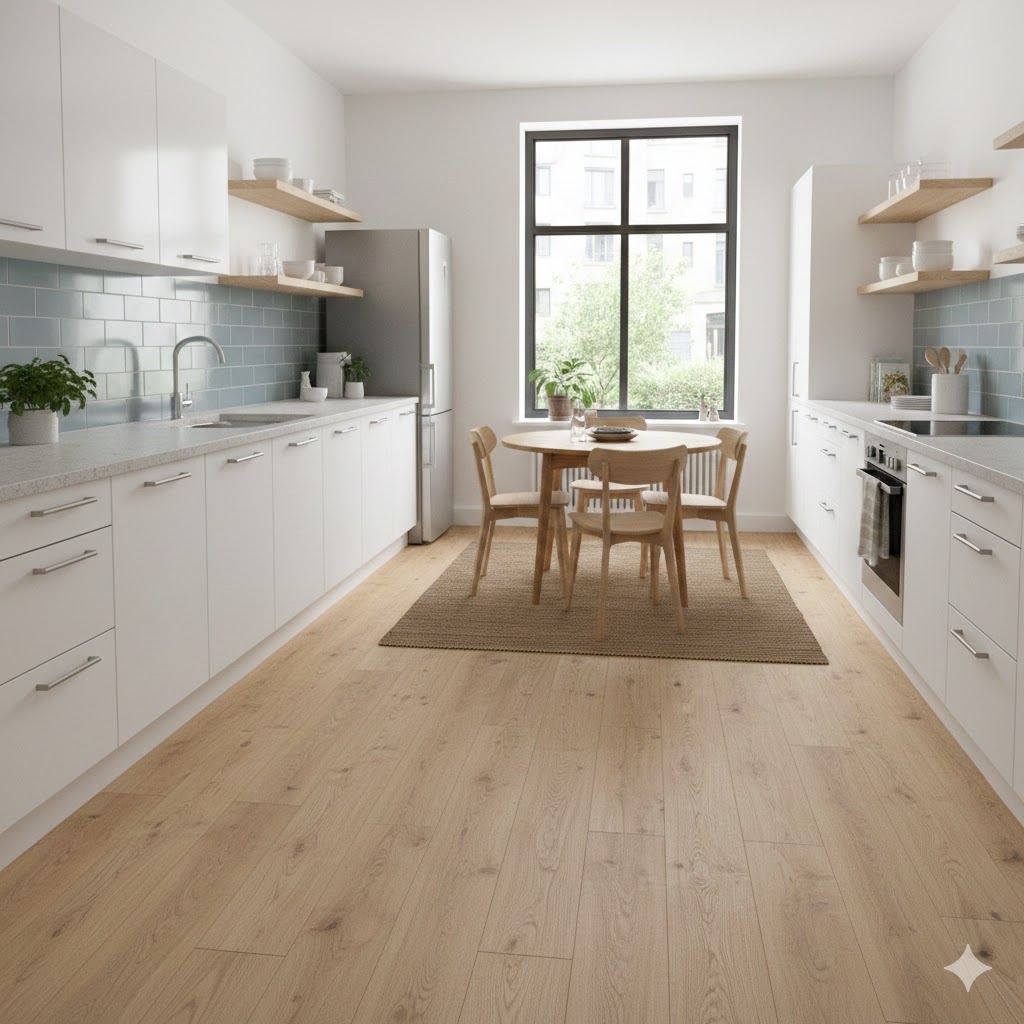
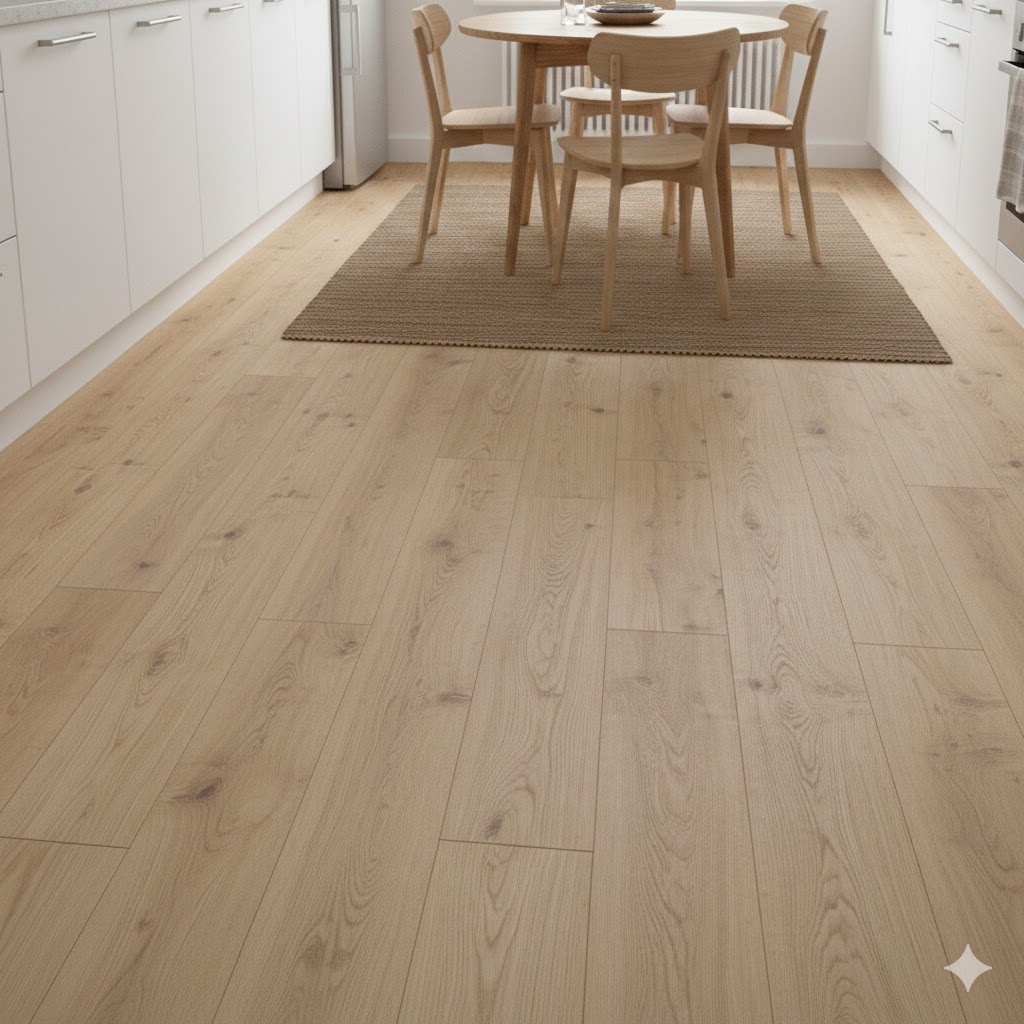
Laminate flooring is designed to replicate wood, stone, or tile at a more affordable price point. It offers good scratch resistance and consistent appearance.
Modern laminate performs well in moderate-traffic areas and is easy to install. However, traditional laminate is vulnerable to water damage and cannot be refinished if worn.
Laminate works well for budget-conscious Chicago projects where moisture exposure is limited.
Vinyl Flooring: Versatility and Water Resistance
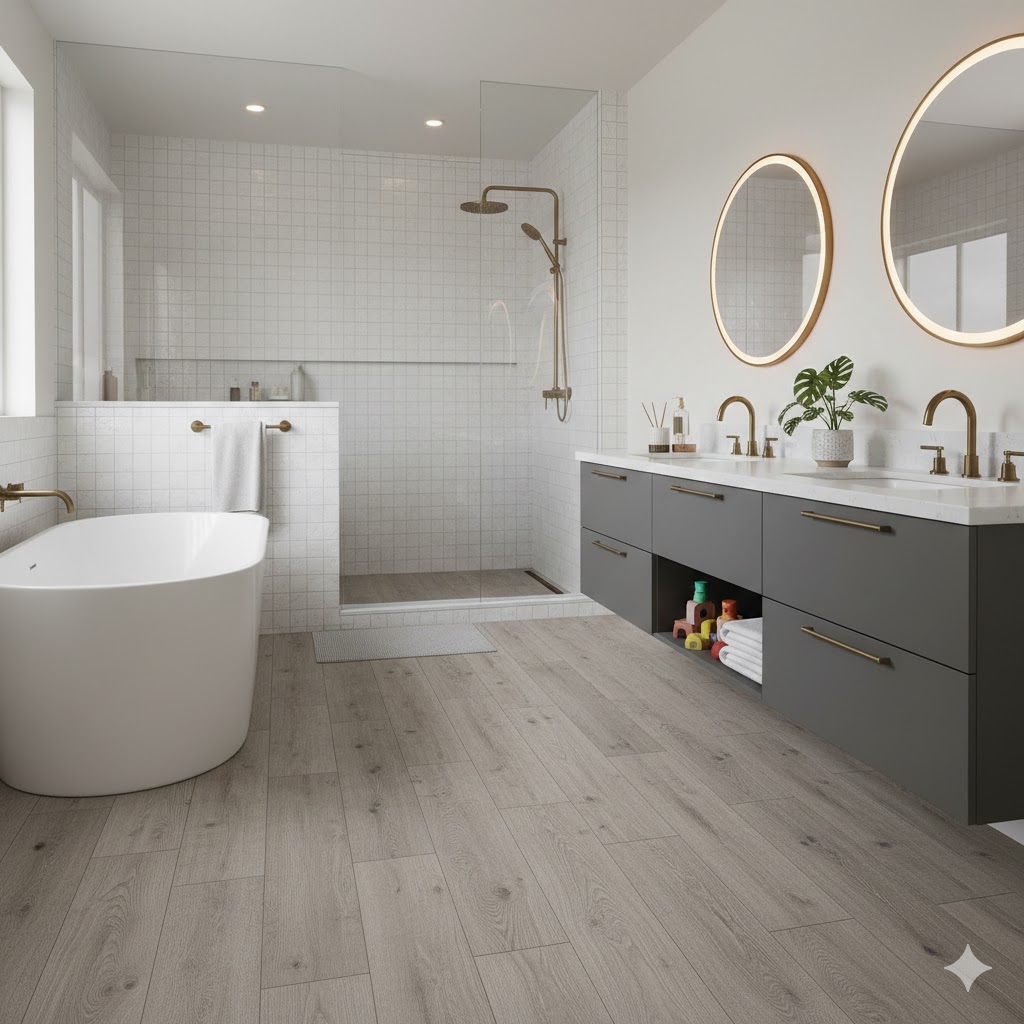
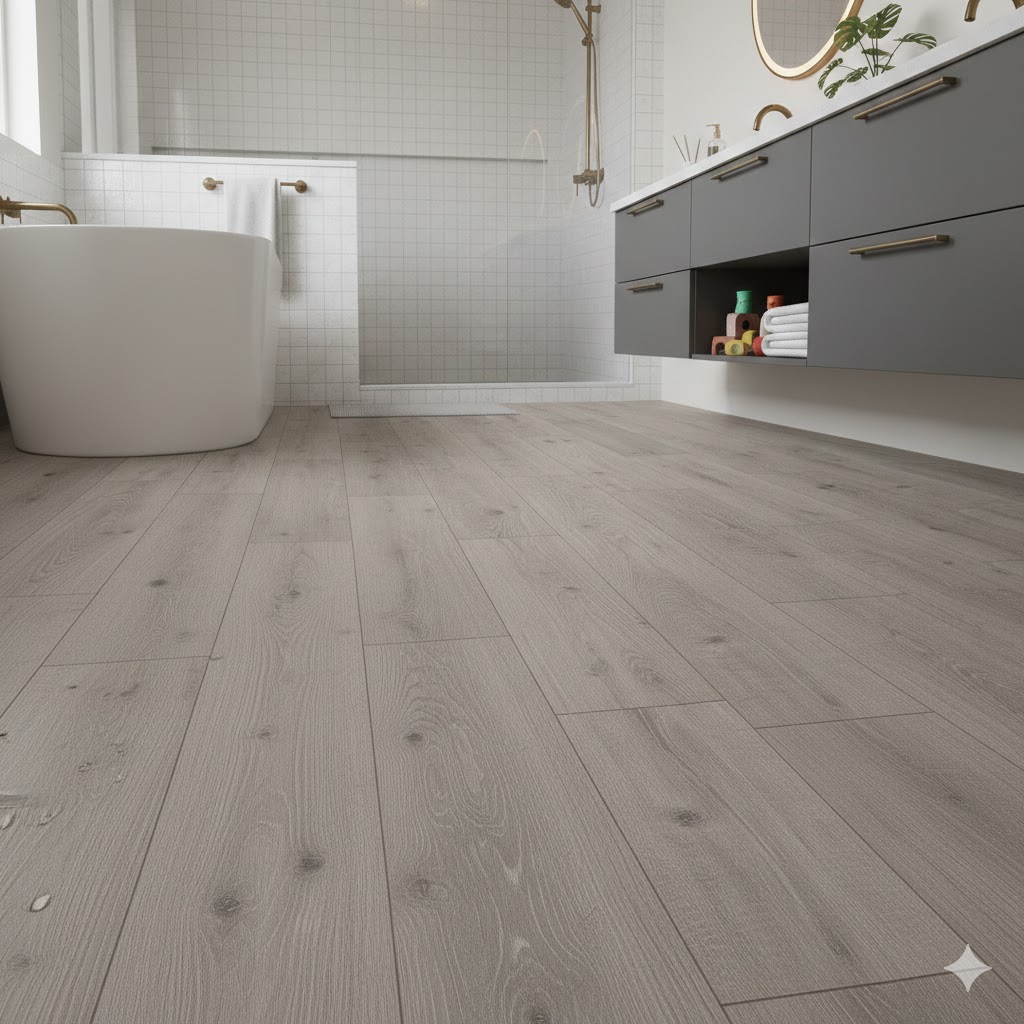
Vinyl has become one of the fastest-growing flooring categories in Chicago. Luxury vinyl plank and tile offer realistic visuals, strong durability, and excellent water resistance.
Vinyl performs well in kitchens, bathrooms, basements, and commercial spaces in Chicago. It resists scratches, stains, and moisture while offering easy maintenance.
For households with pets, children, or heavy traffic in Chicago, vinyl often provides the best balance of performance and cost.
Tile Flooring: Durability and Moisture Protection
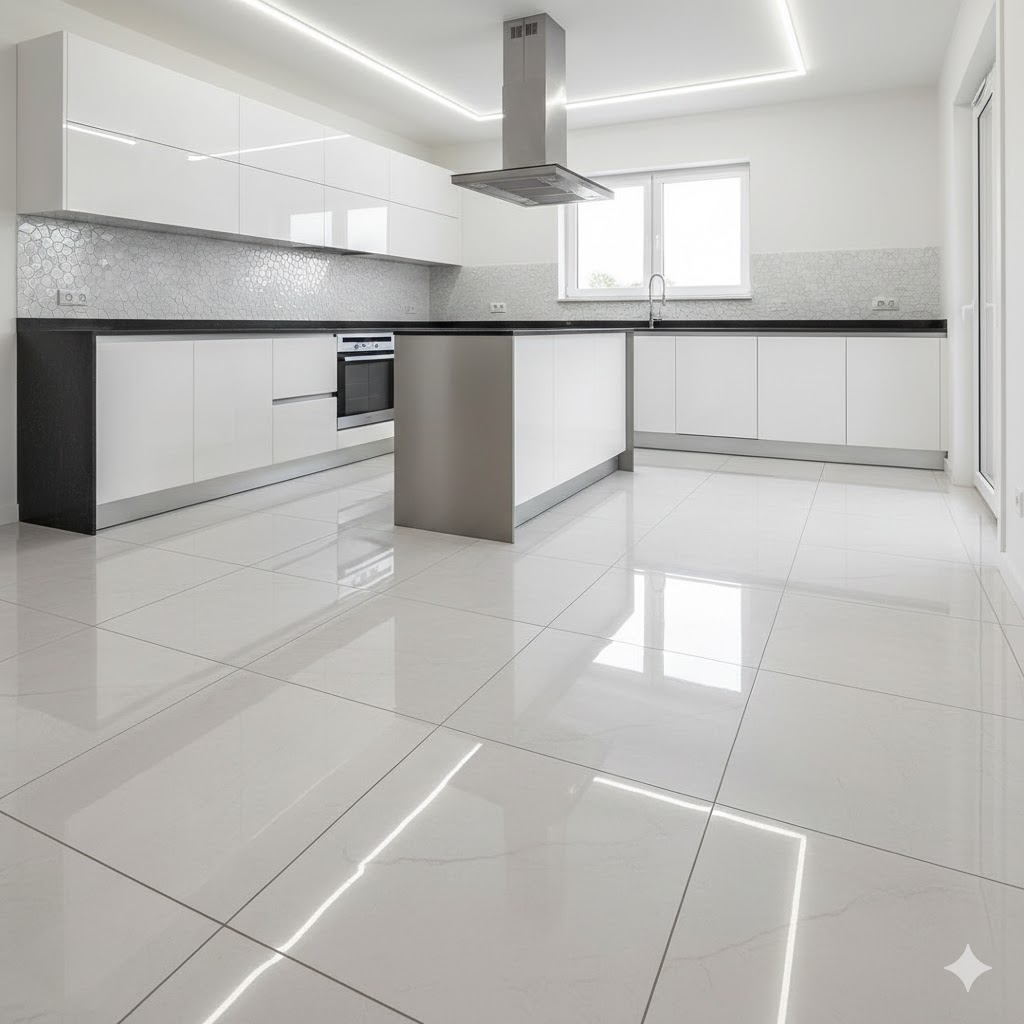
Tile flooring is known for exceptional durability and water resistance. Ceramic and porcelain tile work extremely well in bathrooms, kitchens, laundry rooms, and entryways in Chicago homes.
Tile resists stains, scratches, and moisture, but can feel cold and hard underfoot. Installation requires skilled labor, and grout maintenance is an ongoing consideration in Chicago households.
Tile is ideal for areas where moisture control and longevity matter most.
Carpet: Comfort and Sound Control

Carpet offers softness, warmth, and noise reduction that hard surfaces cannot match. It works well in bedrooms, living rooms, and upper floors in Chicago homes.
However, carpet absorbs moisture, odors, and allergens more easily than hard flooring. It requires frequent cleaning and periodic replacement in high-traffic areas.
Carpet is best used where comfort and sound control are higher priorities than durability in Chicago homes.
Performance Comparison by Key Factors
Instead of choosing by brand or trend, comparing flooring by performance factors leads to better decisions in Chicago spaces. Durability favors tile, vinyl, and hardwood over laminate and carpet. Moisture resistance favors tile and vinyl. Comfort favors carpet and cork. Maintenance favors vinyl and laminate. Long-term value favors hardwood and tile. Each material excels in different categories, which is why mixed flooring throughout a Chicago home is often the best strategy.
Installation and Long-Term Costs Matter
Initial price is only one part of flooring comparison in Chicago. Installation complexity, underlayment needs, subfloor preparation, and long-term maintenance costs all affect total investment. Some floors cost less upfront but require earlier replacement. Others cost more initially but deliver decades of service. A professional estimate helps compare true lifetime cost, not just material price, for Chicago projects.
Matching Flooring to Your Lifestyle
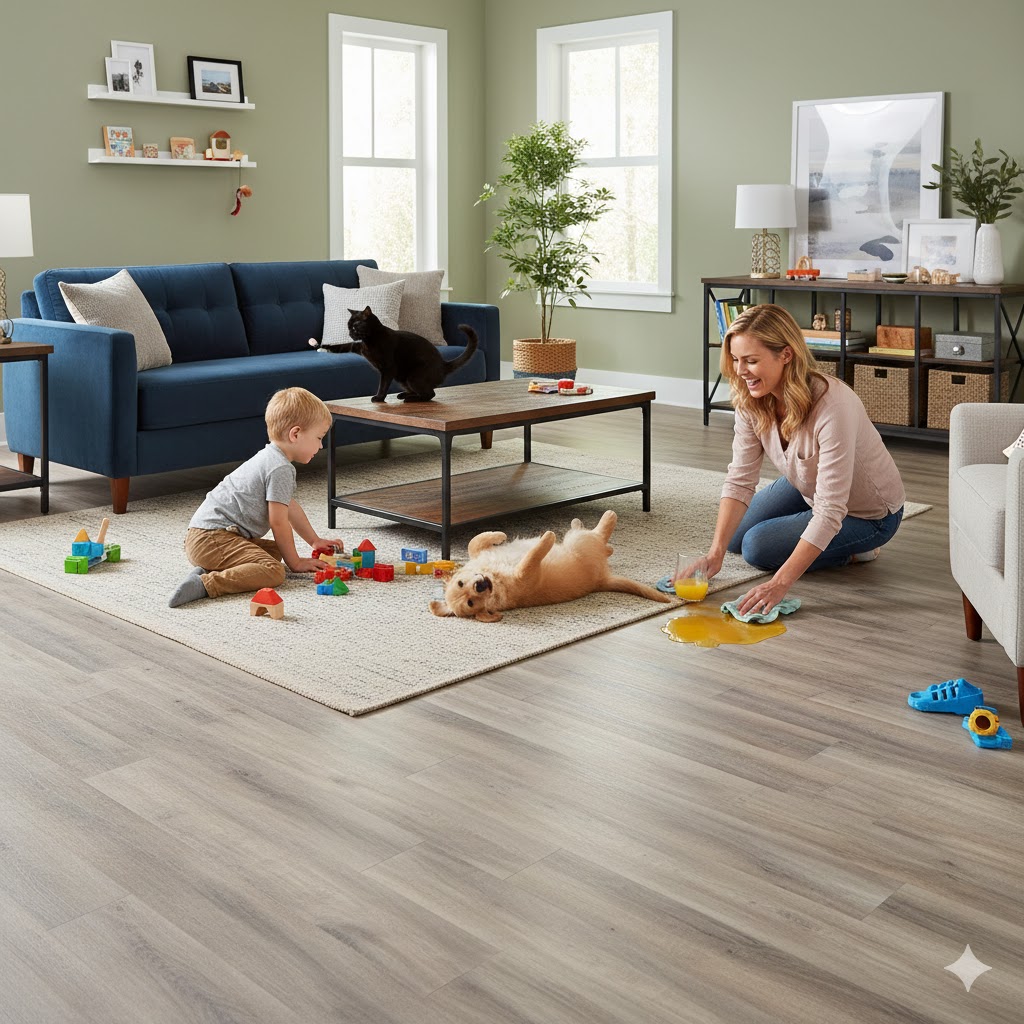
Families with pets, children, and heavy daily traffic in Chicago benefit from durable, water-resistant materials. Low-maintenance households often prefer vinyl or tile. Design-focused homeowners may prioritize hardwood or stone.
Lifestyle should guide your choice as much as style in Chicago homes.
No single flooring material is best for every space. The right choice depends on how the room is used, how much maintenance you prefer, and how long you plan to stay in the property. A thoughtful flooring comparison helps you balance appearance, performance, and long-term value for Chicago spaces.
When in doubt, working with a professional flooring contractor in Chicago ensures you select materials that perform well for years to come.