Flooring Comparison in Chicago: How to Choose the Right Floor for Every Room

Choosing new flooring in Chicago is one of the most important decisions in any remodeling project. The right floor affects comfort, durability, maintenance, and the overall look of your Chicago home or business. With so many materials available today, a clear flooring comparison helps you understand which option truly fits your space, lifestyle, and budget.

Instead of focusing only on appearance, smart flooring selection considers how each material performs in real-life conditions in Chicago homes and commercial spaces.

Start with How the Space Is Used

Before comparing materials, the first step is understanding how the room will be used. High-traffic areas such as entryways, kitchens, hallways, and commercial spaces in Chicago require floors that resist wear and moisture. Bedrooms and offices allow for softer, warmer materials that prioritize comfort.

A flooring material that works well in one room may fail quickly in another. Matching the floor to the function of the space is the foundation of a smart comparison for Chicago spaces.

Hardwood Flooring: Beauty with Maintenance
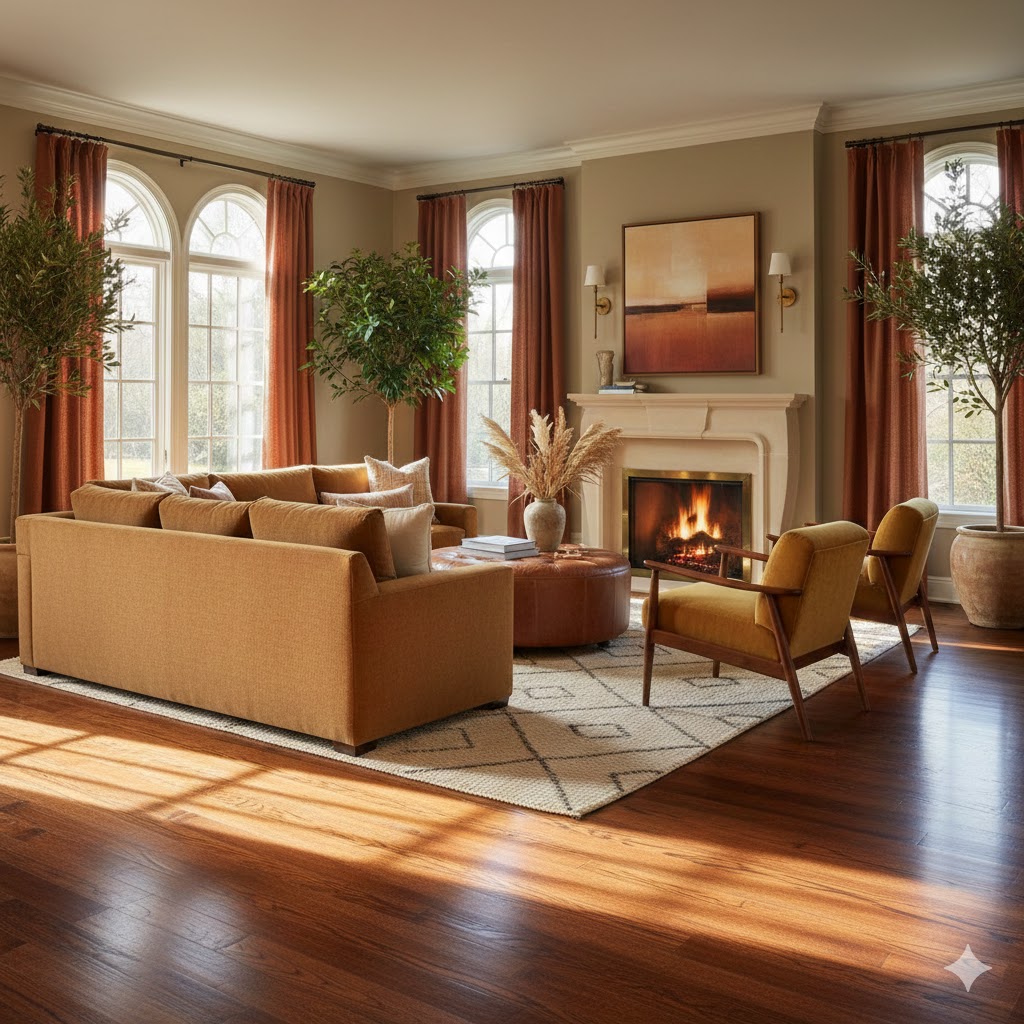
Hardwood remains one of the most popular flooring choices in Chicago for its natural beauty and long-term value. Solid and engineered hardwood offer warmth, character, and strong resale appeal.

However, hardwood is sensitive to moisture, temperature changes, and surface scratches. It works best in living rooms, dining rooms, and bedrooms in Chicago homes, but requires regular maintenance and careful cleaning. In kitchens, basements, and bathrooms, hardwood often requires special precautions or alternative materials.

Hardwood excels in appearance, but demands respect in care.

Laminate Flooring: Style at a Lower Cost
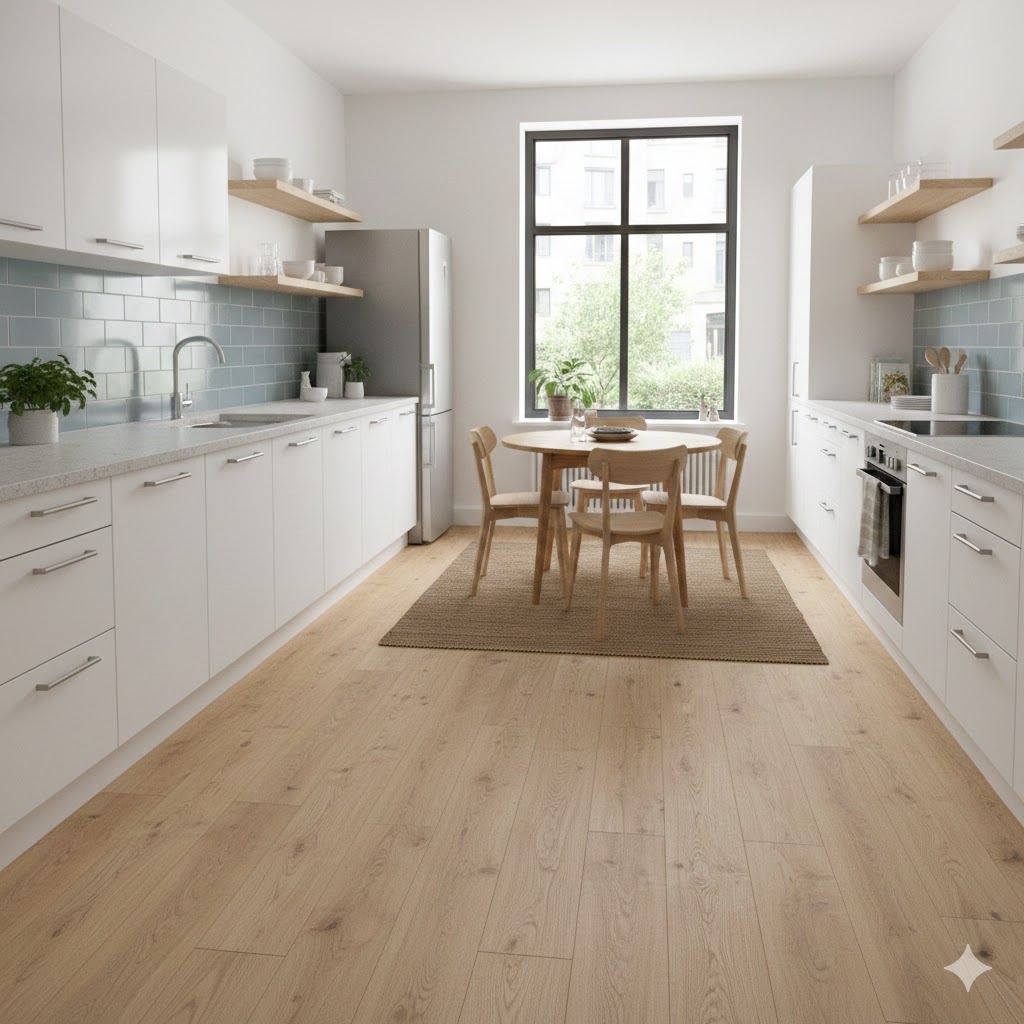
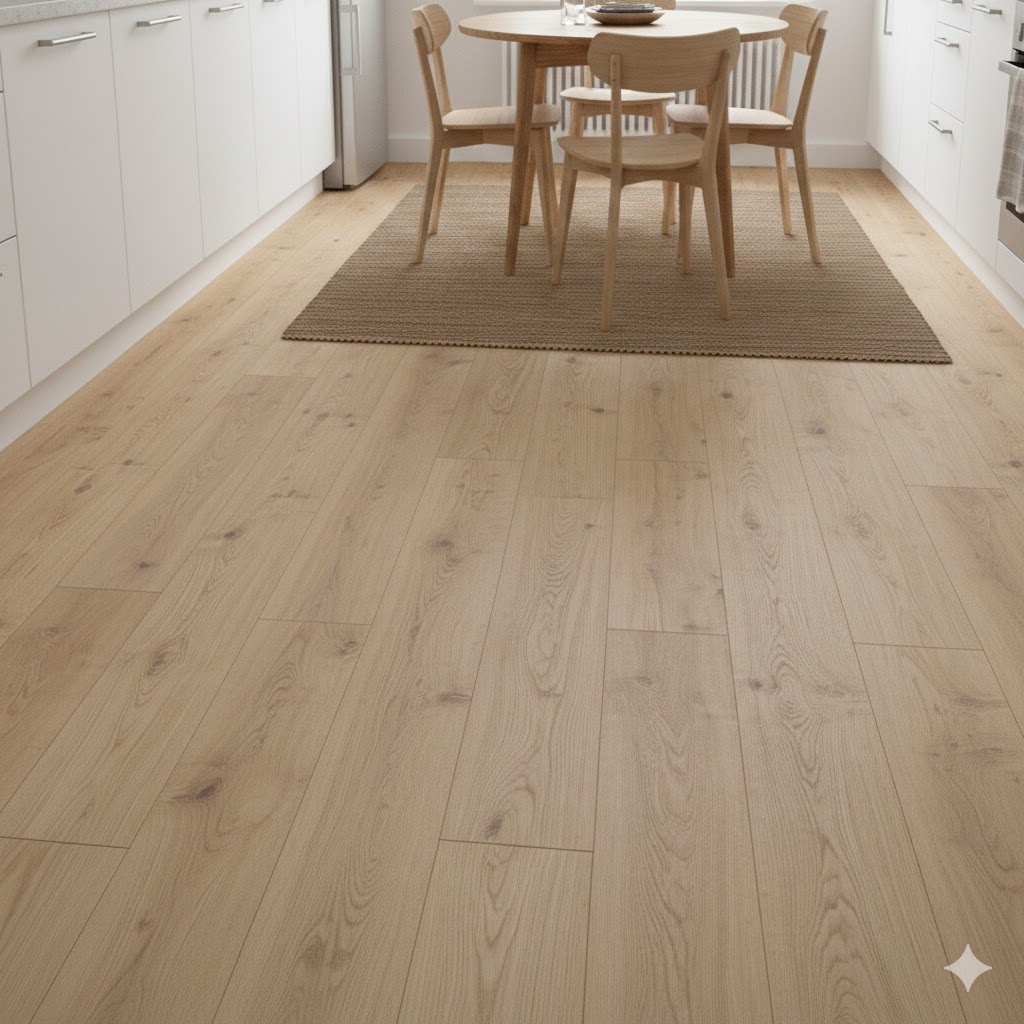
Laminate flooring is designed to replicate wood, stone, or tile at a more affordable price point. It offers good scratch resistance and consistent appearance.

Modern laminate performs well in moderate-traffic areas and is easy to install. However, traditional laminate is vulnerable to water damage and cannot be refinished if worn.

Laminate works well for budget-conscious Chicago projects where moisture exposure is limited.

Vinyl Flooring: Versatility and Water Resistance
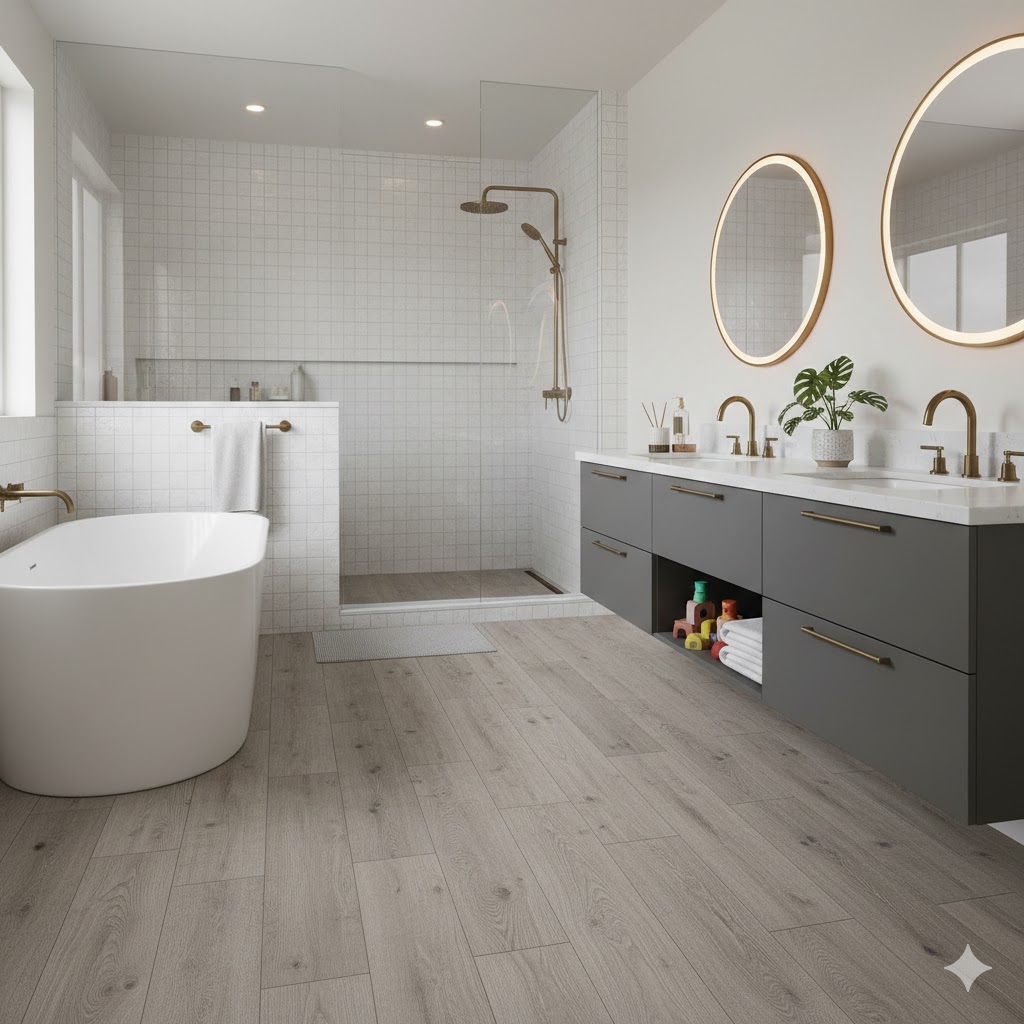
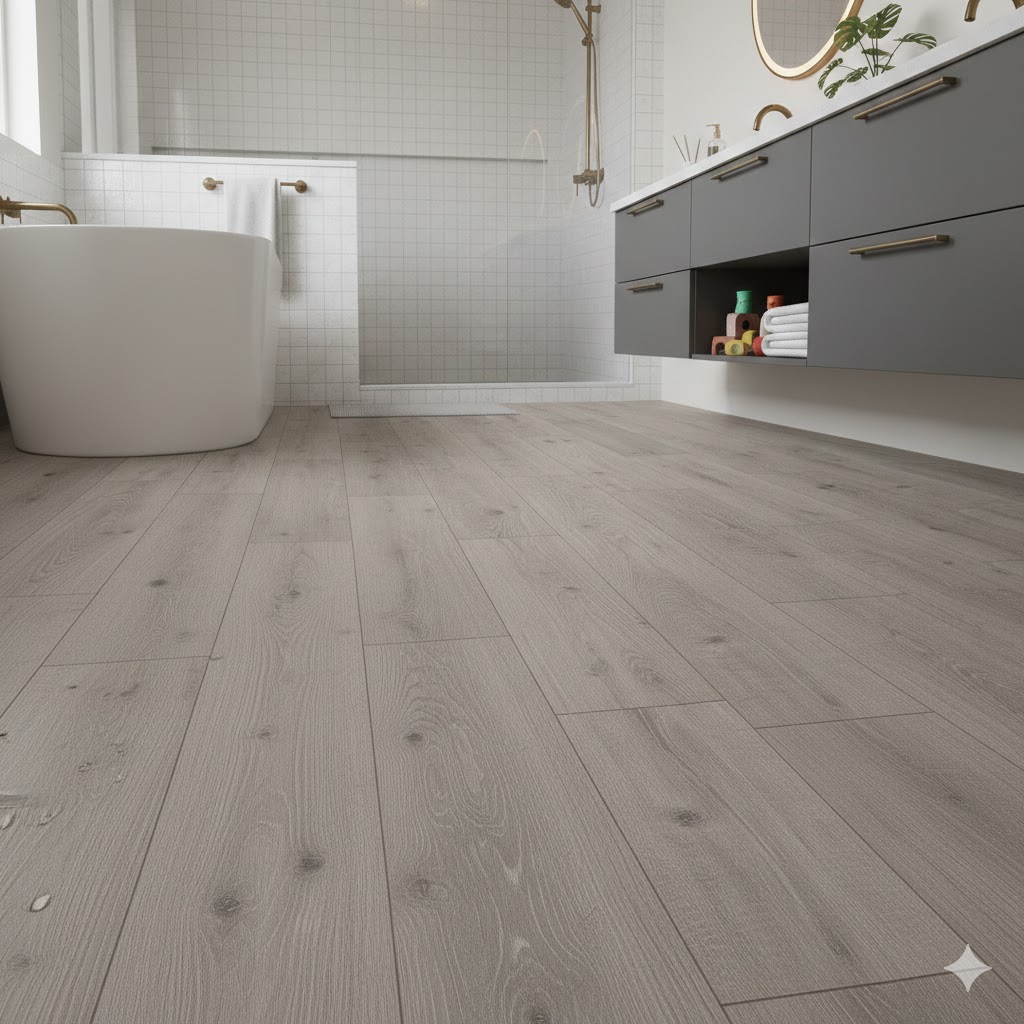
Vinyl has become one of the fastest-growing flooring categories in Chicago. Luxury vinyl plank and tile offer realistic visuals, strong durability, and excellent water resistance.

Vinyl performs well in kitchens, bathrooms, basements, and commercial spaces in Chicago. It resists scratches, stains, and moisture while offering easy maintenance.

For households with pets, children, or heavy traffic in Chicago, vinyl often provides the best balance of performance and cost.

Tile Flooring: Durability and Moisture Protection
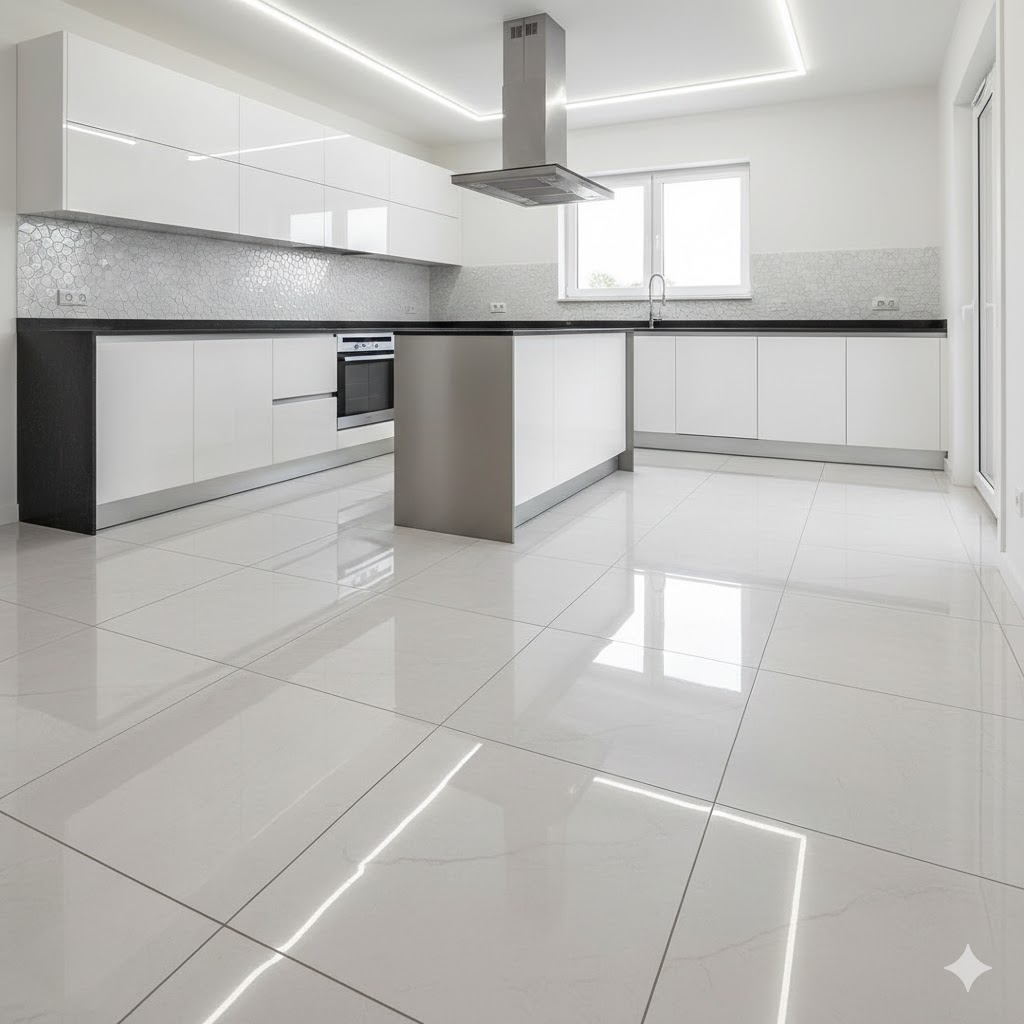
Tile flooring is known for exceptional durability and water resistance. Ceramic and porcelain tile work extremely well in bathrooms, kitchens, laundry rooms, and entryways in Chicago homes.

Tile resists stains, scratches, and moisture, but can feel cold and hard underfoot. Installation requires skilled labor, and grout maintenance is an ongoing consideration in Chicago households.

Tile is ideal for areas where moisture control and longevity matter most.

Carpet: Comfort and Sound Control
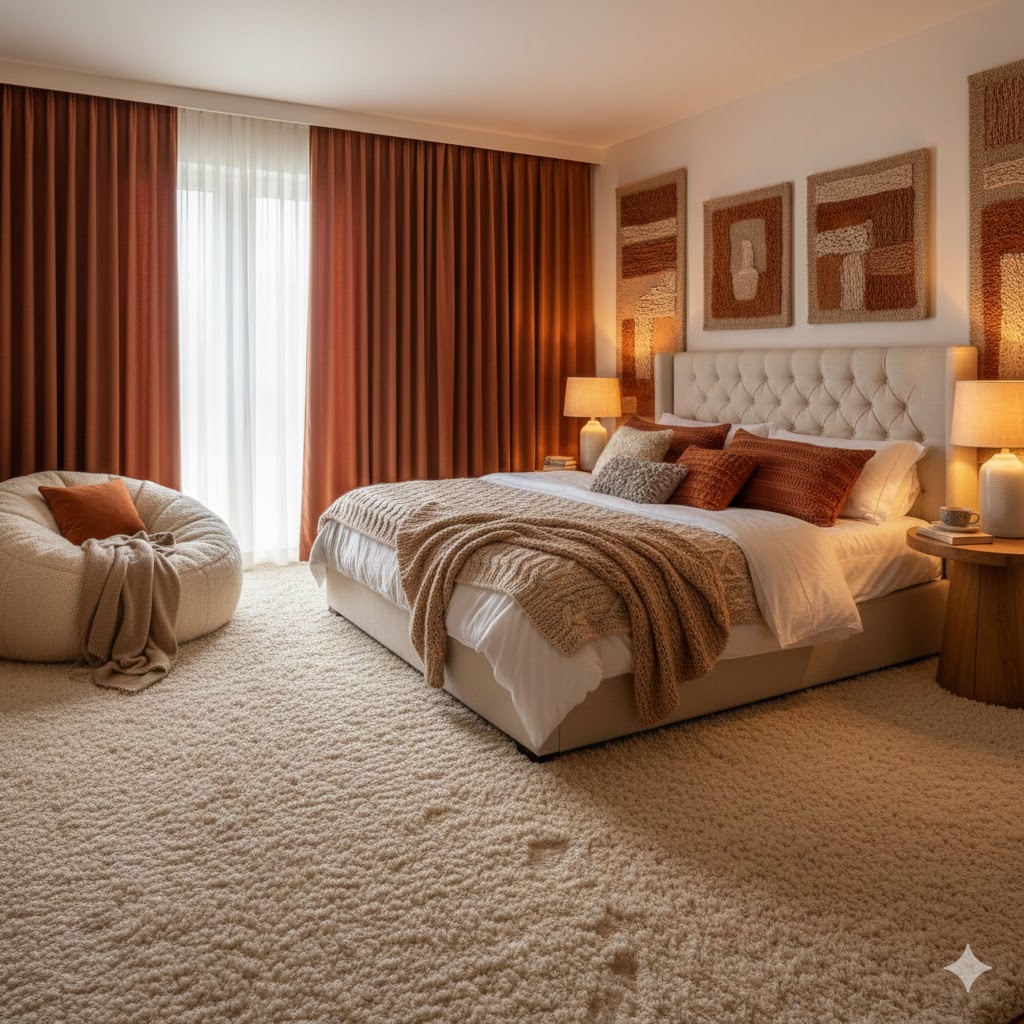
Carpet offers softness, warmth, and noise reduction that hard surfaces cannot match. It works well in bedrooms, living rooms, and upper floors in Chicago homes.

However, carpet absorbs moisture, odors, and allergens more easily than hard flooring. It requires frequent cleaning and periodic replacement in high-traffic areas.

Carpet is best used where comfort and sound control are higher priorities than durability in Chicago homes.

Performance Comparison by Key Factors

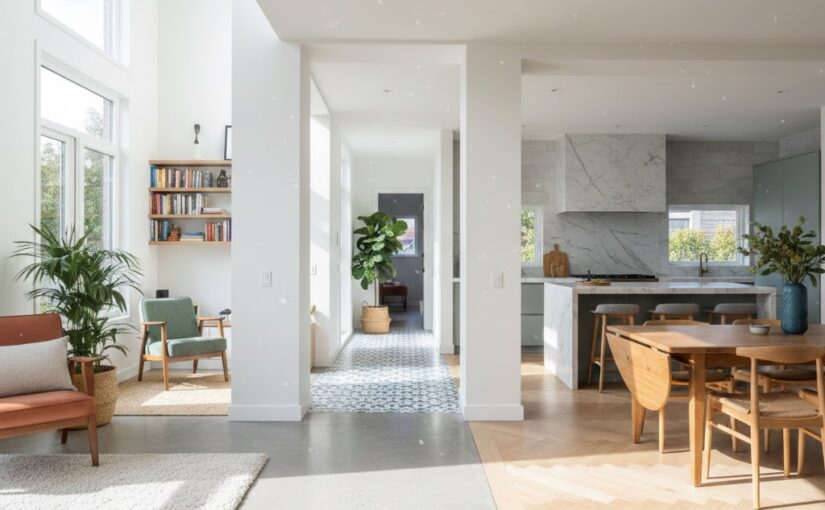
Instead of choosing by brand or trend, comparing flooring by performance factors leads to better decisions in Chicago spaces. Durability favors tile, vinyl, and hardwood over laminate and carpet. Moisture resistance favors tile and vinyl. Comfort favors carpet and cork. Maintenance favors vinyl and laminate. Long-term value favors hardwood and tile. Each material excels in different categories, which is why mixed flooring throughout a Chicago home is often the best strategy.

Installation and Long-Term Costs Matter

Initial price is only one part of flooring comparison in Chicago. Installation complexity, underlayment needs, subfloor preparation, and long-term maintenance costs all affect total investment. Some floors cost less upfront but require earlier replacement. Others cost more initially but deliver decades of service. A professional estimate helps compare true lifetime cost, not just material price, for Chicago projects.

Matching Flooring to Your Lifestyle
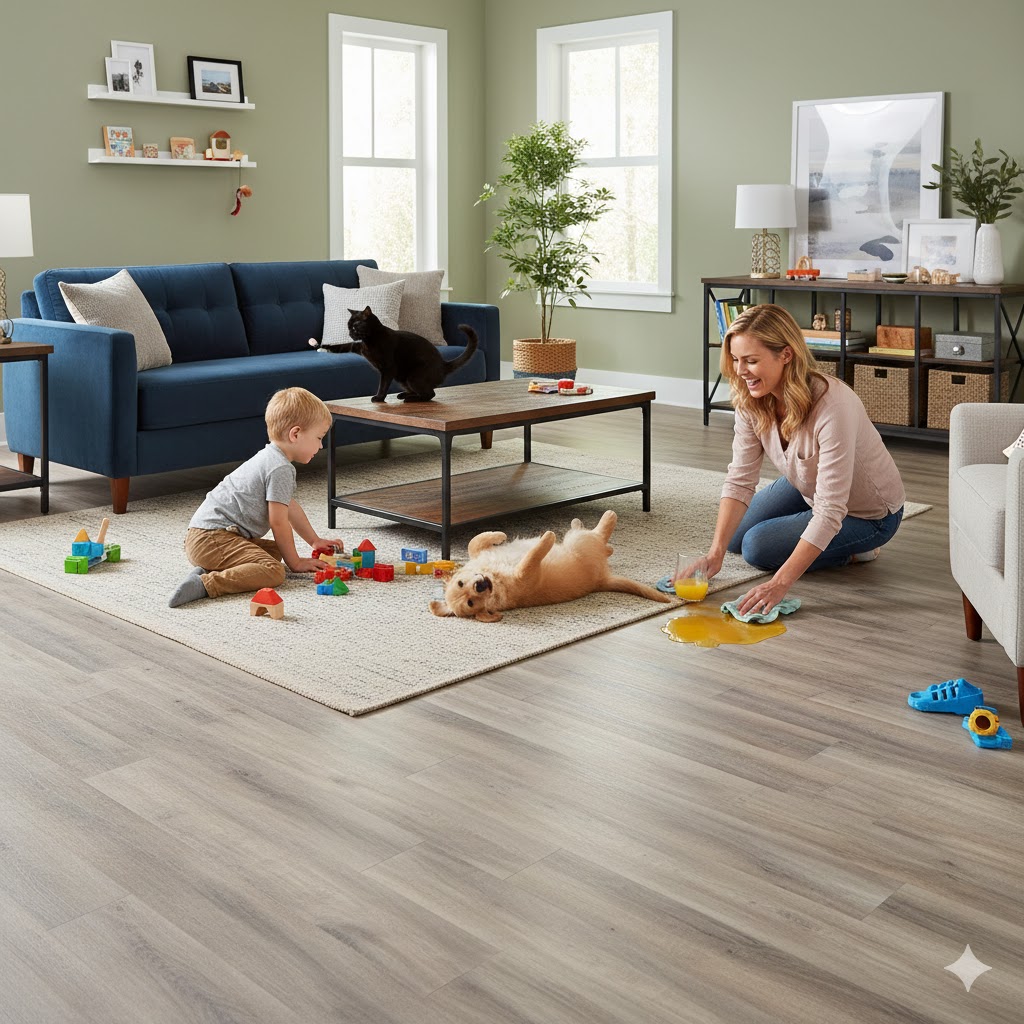
Families with pets, children, and heavy daily traffic in Chicago benefit from durable, water-resistant materials. Low-maintenance households often prefer vinyl or tile. Design-focused homeowners may prioritize hardwood or stone.

Lifestyle should guide your choice as much as style in Chicago homes.

No single flooring material is best for every space. The right choice depends on how the room is used, how much maintenance you prefer, and how long you plan to stay in the property. A thoughtful flooring comparison helps you balance appearance, performance, and long-term value for Chicago spaces.

When in doubt, working with a professional flooring contractor in Chicago ensures you select materials that perform well for years to come.
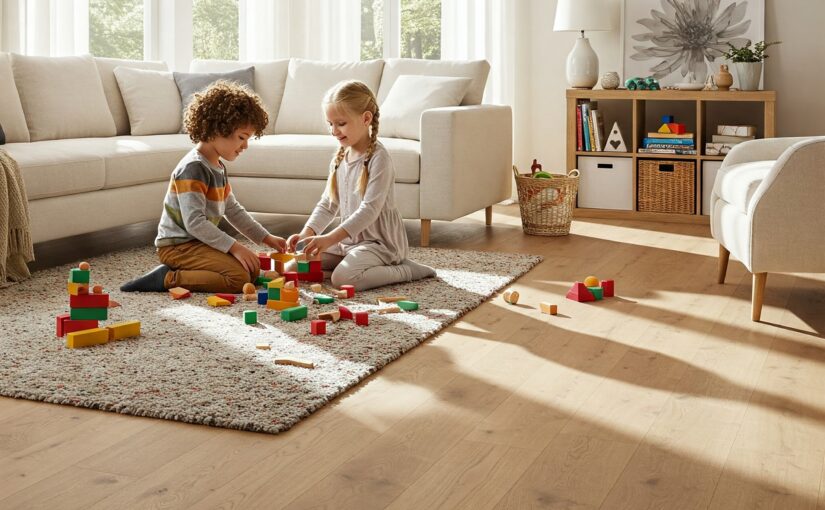
How Your Lifestyle Should Influence Your Hardwood Floor Choice in Chicago

When it comes to choosing hardwood flooring for your Chicago home, style and color aren’t the only things to consider. Your lifestyle plays a major role in determining which type of hardwood will serve you best for the long haul—especially with the ever-changing Chicago weather, foot traffic from city living, and family or pet dynamics.

Here’s a quick guide to help you choose the right hardwood floor based on how you live.


1. Chicago Families with Kids or Pets? Think Durability

If your home in Chicago’s North Side or surrounding suburbs is filled with little feet (or paws) running around, durability should be your top priority. Engineered hardwood floors with a high-quality finish like UV lacquer are excellent choices. Oak—especially European White Oak—is known for its strength and resistance to wear.

Tip: Opt for a textured surface, like a brushed finish. It hides scratches better, which is perfect for homes near Chicago parks where pets and kids track in debris.


2. Busy Urban Living? Low-Maintenance Options Work Best

Living in neighborhoods like Wicker Park, Logan Square, or the Loop often means busy schedules and less time for home maintenance. If this sounds like your lifestyle, go for prefinished engineered hardwood with a protective coating. These floors are easier to clean and don’t require refinishing for years.

Look for:

  • Matte or satin finishes
  • Mid-toned stains that hide dust and dirt
  • Easy-install systems like glue-down or nail/staple with glue assist

3. Chicago Condo Owners? Consider Radiant Heat Compatibility

Many modern condos in downtown Chicago come with radiant heating systems. Not all hardwoods can handle that, but engineered wood with a stable construction is a great fit. Just make sure the flooring you choose is rated for radiant heating.

Bonus: Engineered hardwood also handles Chicago’s fluctuating humidity better than solid hardwood.


4. Love Entertaining? Go for Stylish and Sturdy

If your home is the go-to gathering spot in the neighborhood—whether you’re hosting game day or dinner parties—your floor needs to be both beautiful and tough. Wide plank hardwood (5” or more) adds a luxurious look while providing a solid surface for foot traffic.

Hot picks in Chicago homes right now:

  • European White Oak with a brushed texture
  • Neutral tones like natural, beige, or soft greys
  • Water-resistant options for kitchen and dining areas

5. Want a Cozy Vibe for Chicago Winters? Choose Warm Tones

Chicago winters can be brutal, so why not warm things up indoors with your flooring choice? Richer wood tones like honey, chestnut, or walnut bring warmth to a room—both visually and literally when paired with area rugs or radiant heat.


Your hardwood flooring should match the way you live—not just your aesthetic preferences. Whether you live in a classic Chicago bungalow in Lincoln Park or a sleek condo in River North, the right flooring will combine function, style, and longevity.

Hardwood vs Flagstone

Floors in contemporary homes have come a long way. Wood and carpet are no longer the only options. Homeowners can choose from Ceramic tile floors, wood, vinyl, marble, linoleum and other beautiful choices. If you enjoy showing off your beautiful home, and floors, here are a few tips to make cleaning and condition easy.

HARDWOOD

Your beautiful hardwood floor might have a sealer on it like lacquer, varnish or shellac. If this is the case you will need to care for your floors with solvent-based cleaners and polishes. But if your floor is treated with polyurethane, you have a few more options for cleaning and shining your floor.

Hardwood floors can be cleaned with this really easy method. Two teabags steeped in a pot of boiling water. After a few minutes put the tea in something convenient to work with, like a bucket, and using a soft cloth soaked in the tea and then wrung out until it is only damp, wash the floor. The tannic acid in the tea will leave your wood floor with a beautiful shine.

To repair cracks in hardwood floors, borrow one of your child’s crayons, the color of the floor, and rub it into the gap, filling in the crack. Heat the repaired crack with your blow dryer and then buff the area with a soft cloth.

If you’d rather not use such homegrown methods, try cleaning your floors with a liquid floor cleaner for wood floors. Open a window or other source of ventilation since these stronger chemicals can combust. With a dry wax applicator, soak a small area and then wipe clean. When your floor is dry, buff it with a floor polisher.

FLAGSTONE

Natural stone floors give look contemporary and sophisticated. Cleaning these floors is a little more work than wood, but you will love the results.

Keep them looking their finest with a commercial sealer instead of varnish or lacquer. Dirt can be cleaned from your floor with a mixture of one-quarter cup of low-sudsing cleaner mixed with one-half gallon cold water and one cup ammonia.

Wearing work gloves and with an open window for ventilation, apply the mixture using a sponge mop. When ready to rinse the floor, use clear, cold water and buff dry with a soft rag.

Upkeep is an easier process using a damp mop with fabric softener in water and applied evenly with a mop. Fix a dull film appearance with a cup of white vinegar in water. Then sit back and admire your beautiful floors.